
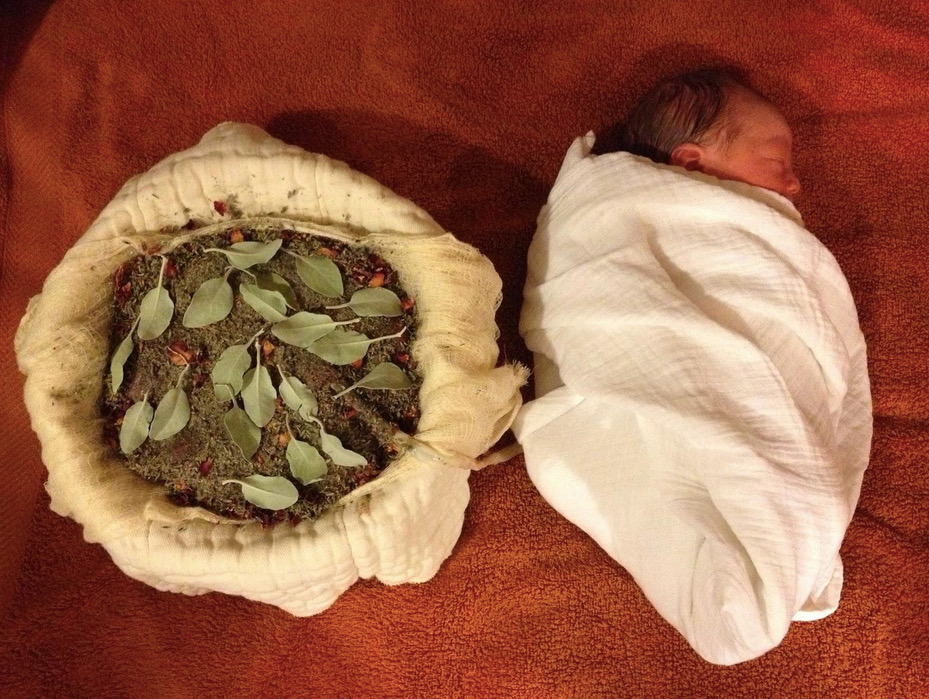
As a midwife, I have had the privilege of witnessing many different ways families welcome their babies into the world. Every birth is unique, and every family has their own ideas about what feels right for them.
For some families, that includes lotus birth—allowing the umbilical cord and placenta to remain attached to the baby until the cord naturally separates.
There is something very peaceful about those first days when there is no rush to separate baby from the placenta. Instead, the focus is simply on resting, bonding, breastfeeding, and getting to know this beautiful new little person.
What Is a Lotus Birth?
With a lotus birth, the umbilical cord is not intentionally cut after the baby is born. The placenta remains attached to the baby until the cord naturally dries and separates, usually within several days.
After the placenta is born, it is gently cleaned and cared for. Families may choose to use salt and herbs around the placenta as it dries, and it is kept in a clean, breathable container or wrap.
As the days pass, the cord becomes dry and firm. Eventually, it separates naturally from the baby’s belly.
For many parents, this feels like a very gentle way to allow the transition from pregnancy to life outside the womb to unfold without intentionally interrupting it.
Those First Precious Days
One of the things I love about the idea of lotus birth is that it encourages families to slow down.
There is no need to rush around. Mom can rest with her baby, enjoy skin-to-skin contact, establish breastfeeding, and simply take in those incredible first days together.
The placenta stays with the baby as a quiet reminder of the remarkable connection that existed throughout pregnancy.
Some families find this experience deeply meaningful. For them, lotus birth is not necessarily about a medical benefit—it is about connection, intention, and honoring the transition into life outside the womb.
What Are the Benefits?
It is important to distinguish between what families may experience emotionally and spiritually and what has been scientifically demonstrated.
There is currently no strong evidence that leaving the placenta attached for several days provides additional medical or nutritional benefits to the baby after the cord has stopped circulating blood.
The benefits families describe are often more personal. Parents may appreciate the peacefulness of the experience, the symbolism of allowing the separation to happen naturally, and the opportunity to spend those first days focused completely on their new baby.
For some families, that is enough reason to choose it.
Caring for the Placenta
Lotus birth does require some extra attention. Once the placenta is outside the body, it is no longer receiving a blood supply and needs to be handled carefully.
Keeping the placenta clean and dry is important. Parents should know what normal drying looks like and what signs could indicate a problem. Your midwife or healthcare provider can help you understand how to care for the placenta and when to seek medical attention.
As with any birth choice, education and preparation are important.
Is Lotus Birth Right for You?
There isn’t one right way to give birth or welcome a baby.
Some families choose delayed cord clamping. Others choose to cut the cord shortly after birth. Some families choose lotus birth.
As a midwife, my role is not to tell you what your birth should look like. My role is to provide information, answer your questions, support your choices, and help you create a birth experience that feels right for you and your family.
If lotus birth speaks to you, talk with your midwife or healthcare provider before your baby’s birth so you can understand the process and prepare for those first few days.
A Beautiful Beginning
Those first days with a newborn are fleeting. The sleepy cuddles, tiny fingers, first feedings, and quiet moments of simply looking at your baby are memories you will carry with you forever.
For some families, lotus birth provides a meaningful way to slow down and honor those moments.
Birth doesn’t have to be rushed. Sometimes the most beautiful thing we can do is simply pause, breathe, and enjoy the beginning of a new life.